YEW LOOP BRIDGE REPLACEMENT
SEPTEMBER 2025
PAGE UNDER CONSTRUCTION
MORRELL PROJECTS
It all started last spring
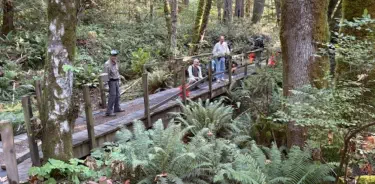
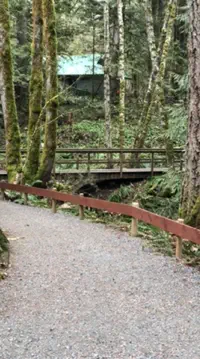
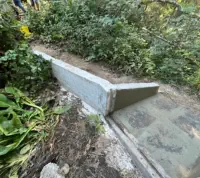
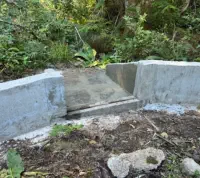
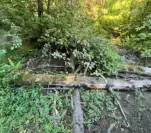
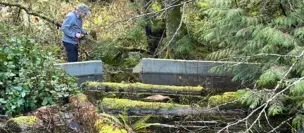
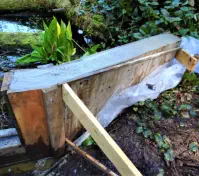
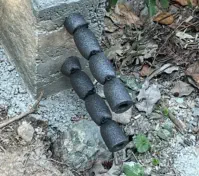
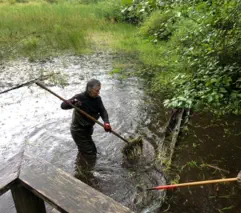
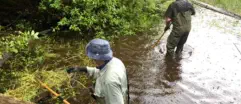
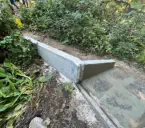
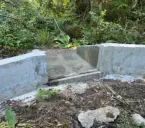
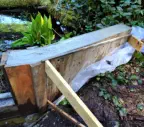
when a visitor approaching the Bridge noticed a strange sag in it, took pictures and sent them to our office. The next day we saw that one of the three big support beams had rotted where it had lain at the footing. It was now on the ground, a foot lower. Since the rest looked still solid, we jacked it back up and built temporary supports. Though a closer inspection revealed that this 20-year-old wooden structure would need a complete overhaul, or replacement with a culvert. And it would be expensive! After inquiring at the Ministry of Environment and with our landlord about necessary permits, we decided, that early September would be our time window for action. Then the Summer Camp will have ended, and the creek bed would likely still be dry. The Directors then chose a culvert, because it would be simpler to install, last much longer, and could carry equipment whenever the Yew Loop needs resurfacing again and it would even withstand a big tree falling on it. We also would build a sturdy split rail fence along both sides of the crossing, for safety and to help ‘grounding’ the construction into the surrounding forest. Another concern for us was the little seasonal wetland on the upstream side. Two logs had been placed there in the creek, likely at the time the bridge was built, to form a small dam and waterfall. In time, sediment has collected behind and formed the fertile little flat, full of yellow Skunk Cabbage every spring. Now the logs would have to be replaced with large rocks to hold it all in place again.Nice plans - but how to pay for it?
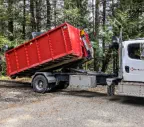
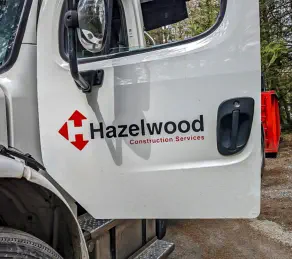
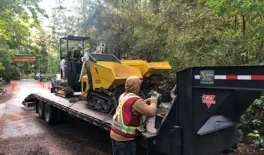
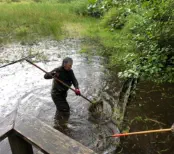
It was time to approach Sid Whitaker from Hazelwood Construction again, whose company had resurfaced the Yew Loop five years ago and repaired the erosion problem along the entrance way just last year. After Sid looked at our challenge, he offered to bring in a midsized excavator, with enough ‘arm length’ to do all the work from the top of the creek bank: removing the old structure, installing the culvert, building a new trail across, rebuilding the little waterfall on the upstream side and fortifying it all with larger rocks. They wouldn’t have to drive into the creek bed at all for this work. They also would bring a bin for the old wood and haul it away, all the gravel for fill, the larger rocks, the road crush and a smaller loader to move the material from the access point by the kiosk, down the narrow trail to the old bridge head. Then and there we agreed that we would supply the necessary permits, a properly sized culvert and build the railings afterwards. We also would have volunteers for traffic control and manual labour as required.Hazelwood would supply and organize the rest And it would be free, a donation to the Morrell Sanctuary! We shook hands - no agreement was ever signed.Thank You, Hazelwood Construction!
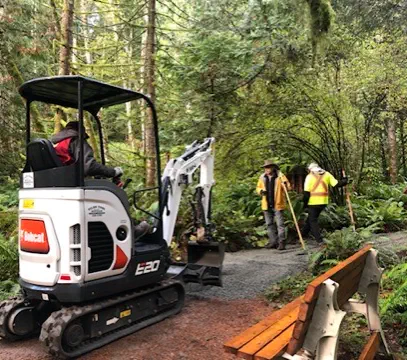
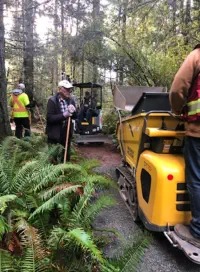
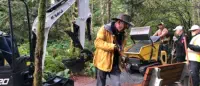
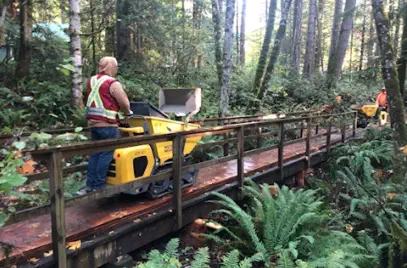
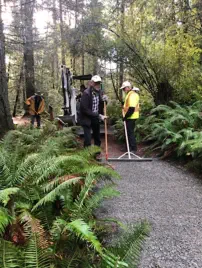
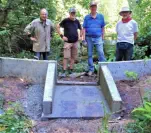
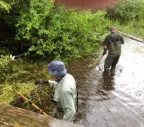
Early in September, with a permit at hand we met with Hazelwood’s Todd Whittaker at the bridge, talked about the project once more and agreed that September 15, when the Sanctuary’s gate opens at 7:00 am, would be the starting time. On that day everything went like clockwork: a skilled and relaxed team ‘playing’ their powerful instruments in harmony. By late afternoon we were spreading, raking and compacting a fresh top layer of crushed gravel on the trail, all the way back towards the entrance. It was all finished! When we expressed our gratitude for their great work, the foreman responded, that rather than pushing for speed, their aim at Hazelwood is quality workmanship which provides the best long term value for their customers. And we wholeheartedly agree.Thank You Morrell Volunteers!
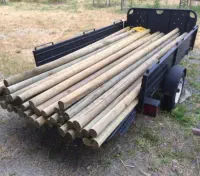
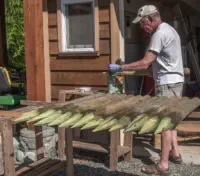
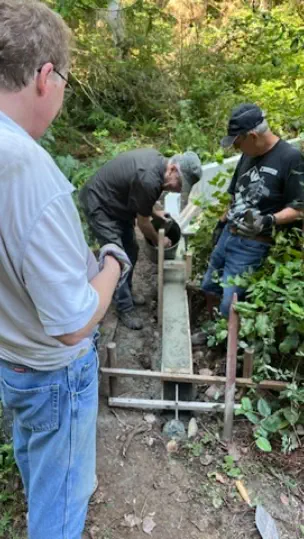
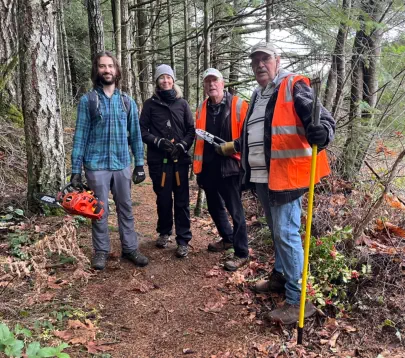
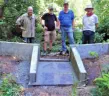
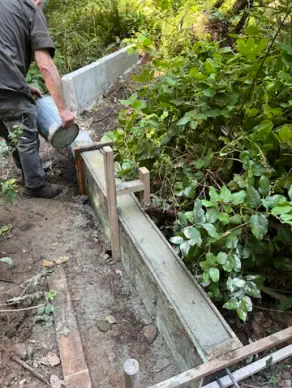
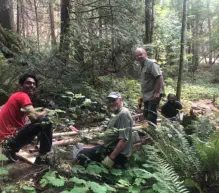
Some other remarkable contributions to this project came from within the Sanctuary as well: Our longtime Treasurer Valerie Booth donated $2000, which paid for the 1m x 6m Pipe and the hardware for the railings. Our forest provided two midsized Red Cedar trees which had been cut down earlier as part of our ongoing Danger Tree removal efforts along the Sanctuary Trails. And especially our volunteers: who were involved in the planning and in securing official approval, who helped removing all useable wood off the bridge beforehand, who assisted the Hazelwood crew wherever needed and fed us chili that day, who took part splitting the cedars into thirty rails and carting them off to the creek, who together built the sturdy split rail fence along the new crossing, who performed the other regular duties all this week. J. Baur, PresidentENTRANCE ROAD EROSION
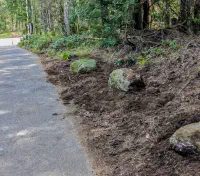
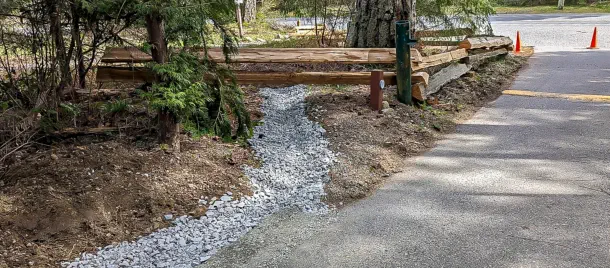
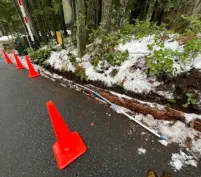
2024
YEW LOOP HANDICAP UPGRADES
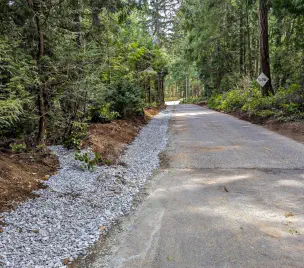
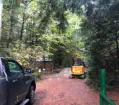
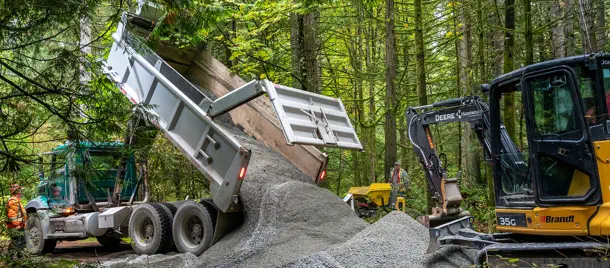
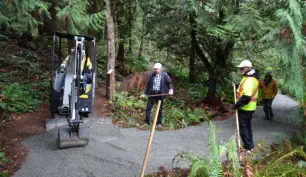
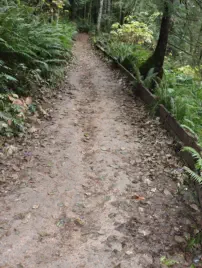
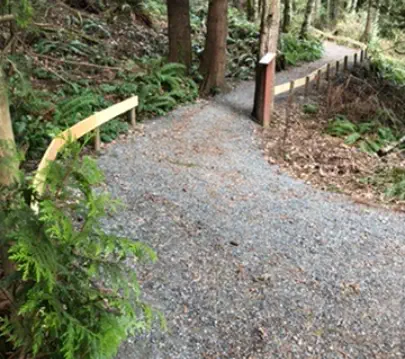
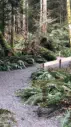
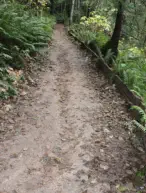
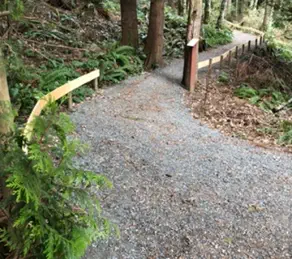
AS YOU ENTER THE SANCTUARY, THE FIRST TRAIL YOU COME TO IS THE YEW LOOP, GREATLY LOVED BY YOUNG FAMILIES WHO ENJOY A COLLECTION OF GNOME HOMES. THIS 700 METRE LOOP IS REALIVELY EASY TO WALK, HOWEVER THE SANCTUARY WANTED TO IMPROVE THE TRAIL TO ALLOW HANDICAPPED GUESTS SAFE ACCESS TO A TRAIL. THUS WAS BORN THE YEW LOOP UPGRADE PROJECT. ONCE AGAIN FUNDING SUCH AN ENDEAVOUR WAS DAUNTING. THE COST TO LEVEL TRAILS; ACQUIRE, MOVE AND INSTALL GRAVEL AND GUARD RAILS; APPEARED OUT OF REACH. THAT IS UNTIL HAZELWOOD CONSTRUCTION OFFERED TO HELP. HAZELWOOD REACHED OUT TO THEIR SUPPLIERS AND PARTNERS FOR HEAVY EQUIPMENT AND MATERIALS AS WELL AS PROVIDING THEIR OWN ENGINEERING KNOWLEDGE, MANAGEMENT AND MANPOWER THIS RESULTED IN MAKING QUICK WORK OF THIS PROJECT WHICH WAS COMPLETED IN OCTOBER OF 2021. THANK YOU HAZELWOOD AND THANK YOU TO ALL OUR VOLUNTEERS WHO PROVIDED MANPOWER AS WELL CARPENTRY SKILLS IN BUILDING WHEELCHAIR SAFETY RAILS.SANCTUARY BOARDWALKS, STILES AND BRIDGES
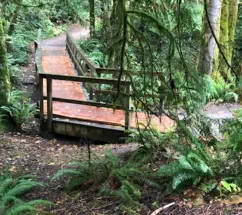
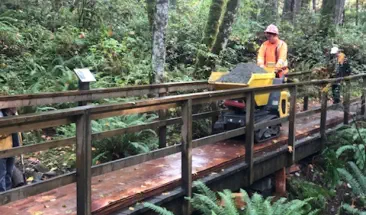
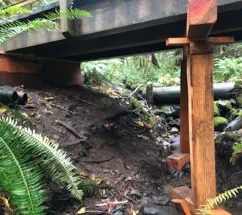
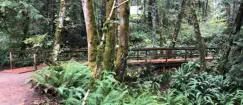
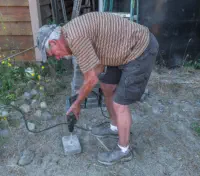
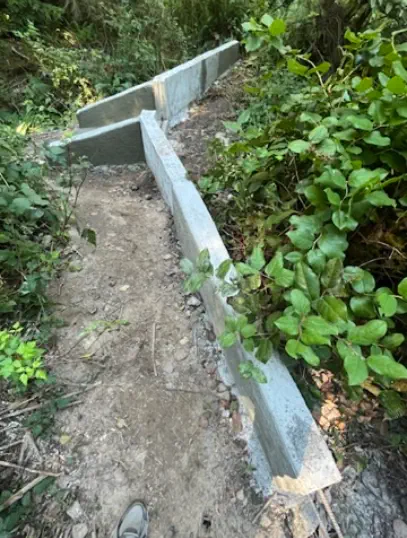
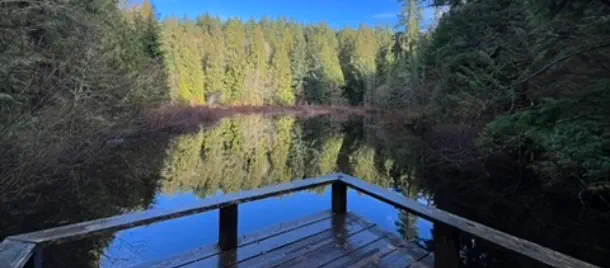
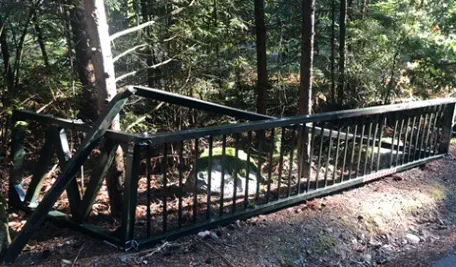
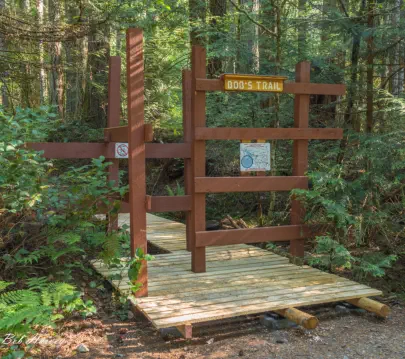
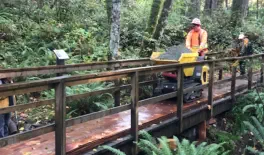
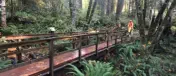
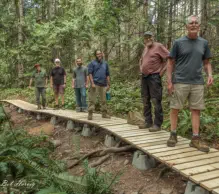
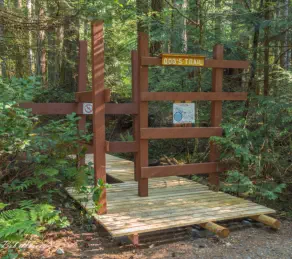
IN ADDITION TO GROOMING TRAILS, OUR VOLUNTEERS BUILD AND MAINTAIN BOARDWALKS OVER ROUGH TERRAIN (A FAR FROM COMPLETE JOB), BRIDGES OVER PERMANENT/VERNAL STREAMS AND STILES TO LIMIT BICYCLES ON OUR TRAILS. KBEAVER POND UPGRADE
DECEMBER 2024
INVASIVE SPECIES REMOVAL
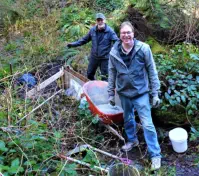
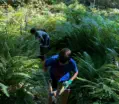
KEEPING THE SANCTUARY FREE OF INVASIVE SPECIES IS A NEVER ENDING OCCUPATION FOR OUR VOLUNTEERS. BY KEEPING SCOTCH BROOM, HOLLY , DAPHNE ETC IN CHECK OUR NATIVE SPECIES ARE ABLE TO THRIVE FOR EVERYONE’S ENJOYMENT AS WELL AS ENSURING A RELIABLE STUDY SITE FOR UNIVERSITY STUDIES.FRONT GATE REPLACEMENT
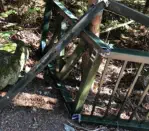
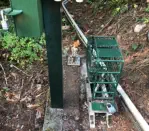
IN SEPTEMBER, 2022 TWO SANCTUARY VISITORS STAYED BEYOND CLOSING TIME. WITHOUT SEEKING ASSISTANCE THEY DECIDED THE BEST WAY OUT WAS TO DESTROY THE SANCTUARY’S GATE. THROUGH A GENEROUS DONATION FROM THE STANDLEY DE VOS FUND A NEW GATE WAS INSTALLED ALONG WITH A WIRELESS INTERNET CONNECTION AND HIGH DEFINITION SECURITY CAMERAS.



























MEMORIAL BENCHES
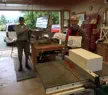
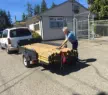
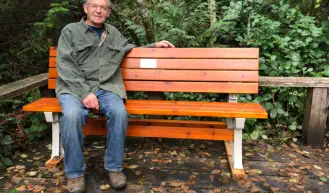
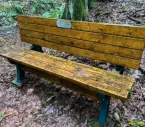
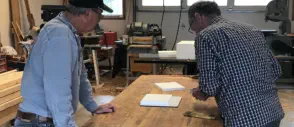
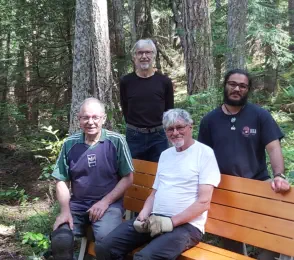
MORRELL IS A WELL LOVED SANCTUARY, MANY OF OUR REGULAR VISITORS AND MEMBERS , OR THEIR LOVED ONES, HAVE DECIDED THEY WANT TO ADD A RESTING PLACE FOR OTHERS ONCE THEY THEMSELVES HAVE PASSED. MEMORIAL BENCHES ARE BUILT AND INSTALLED BY OUR VOLUNTEERS. BENCHES REGUIRE PERIODIC CLEANING AND REFURBISHMENT, ALSO DONE BY OUR VOLUNTEERS.


YEW LOOP BRIDGE
REPLACEMENT
SEPTEMBER 2025
PAGE UNDER
CONSTRUCTION
MORRELL PROJECTS
It all started last spring
when a visitor approaching the Bridge noticed a strange sag in it, took pictures and sent them to our office. The next day we saw that one of the three big support beams had rotted where it had lain at the footing. It was now on the ground, a foot lower. Since the rest looked still solid, we jacked it back up and built temporary supports. Though a closer inspection revealed that this 20-year-old wooden structure would need a complete overhaul, or replacement with a culvert. And it would be expensive! After inquiring at the Ministry of Environment and with our landlord about necessary permits, we decided, that early September would be our time window for action. Then the Summer Camp will have ended, and the creek bed would likely still be dry. The Directors then chose a culvert, because it would be simpler to install, last much longer, and could carry equipment whenever the Yew Loop needs resurfacing again and it would even withstand a big tree falling on it. We also would build a sturdy split rail fence along both sides of the crossing, for safety and to help ‘grounding’ the construction into the surrounding forest. Another concern for us was the little seasonal wetland on the upstream side. Two logs had been placed there in the creek, likely at the time the bridge was built, to form a small dam and waterfall. In time, sediment has collected behind and formed the fertile little flat, full of yellow Skunk Cabbage every spring. Now the logs would have to be replaced with large rocks to hold it all in place again.Nice plans - but how to pay for it?
It was time to approach Sid Whitaker from Hazelwood Construction again, whose company had resurfaced the Yew Loop five years ago and repaired the erosion problem along the entrance way just last year. After Sid looked at our challenge, he offered to bring in a midsized excavator, with enough ‘arm length’ to do all the work from the top of the creek bank: removing the old structure, installing the culvert, building a new trail across, rebuilding the little waterfall on the upstream side and fortifying it all with larger rocks. They wouldn’t have to drive into the creek bed at all for this work. They also would bring a bin for the old wood and haul it away, all the gravel for fill, the larger rocks, the road crush and a smaller loader to move the material from the access point by the kiosk, down the narrow trail to the old bridge head. Then and there we agreed that we would supply the necessary permits, a properly sized culvert and build the railings afterwards. We also would have volunteers for traffic control and manual labour as required.Hazelwood would supply and organize the rest And it would be free, a donation to the Morrell Sanctuary! We shook hands - no agreement was ever signed.Thank You, Hazelwood
Construction!
Early in September, with a permit at hand we met with Hazelwood’s Todd Whittaker at the bridge, talked about the project once more and agreed that September 15, when the Sanctuary’s gate opens at 7:00 am, would be the starting time. On that day everything went like clockwork: a skilled and relaxed team ‘playing’ their powerful instruments in harmony. By late afternoon we were spreading, raking and compacting a fresh top layer of crushed gravel on the trail, all the way back towards the entrance. It was all finished! When we expressed our gratitude for their great work, the foreman responded, that rather than pushing for speed, their aim at Hazelwood is quality workmanship which provides the best long term value for their customers. And we wholeheartedly agree.Thank You Morrell Volunteers!
Some other remarkable contributions to this project came from within the Sanctuary as well: Our longtime Treasurer Valerie Booth donated $2000, which paid for the 1m x 6m Pipe and the hardware for the railings. Our forest provided two midsized Red Cedar trees which had been cut down earlier as part of our ongoing Danger Tree removal efforts along the Sanctuary Trails. And especially our volunteers: who were involved in the planning and in securing official approval, who helped removing all useable wood off the bridge beforehand, who assisted the Hazelwood crew wherever needed and fed us chili that day, who took part splitting the cedars into thirty rails and carting them off to the creek, who together built the sturdy split rail fence along the new crossing, who performed the other regular duties all this week. J. Baur, PresidentENTRANCE ROAD EROSION
2024
YEW LOOP HANDICAP
UPGRADES
AS YOU ENTER THE SANCTUARY, THE FIRST TRAIL YOU COME TO IS THE YEW LOOP, GREATLY LOVED BY YOUNG FAMILIES WHO ENJOY A COLLECTION OF GNOME HOMES. THIS 700 METRE LOOP IS REALIVELY EASY TO WALK, HOWEVER THE SANCTUARY WANTED TO IMPROVE THE TRAIL TO ALLOW HANDICAPPED GUESTS SAFE ACCESS TO A TRAIL. THUS WAS BORN THE YEW LOOP UPGRADE PROJECT. ONCE AGAIN FUNDING SUCH AN ENDEAVOUR WAS DAUNTING. THE COST TO LEVEL TRAILS; ACQUIRE, MOVE AND INSTALL GRAVEL AND GUARD RAILS; APPEARED OUT OF REACH. THAT IS UNTIL HAZELWOOD CONSTRUCTION OFFERED TO HELP. HAZELWOOD REACHED OUT TO THEIR SUPPLIERS AND PARTNERS FOR HEAVY EQUIPMENT AND MATERIALS AS WELL AS PROVIDING THEIR OWN ENGINEERING KNOWLEDGE, MANAGEMENT AND MANPOWER THIS RESULTED IN MAKING QUICK WORK OF THIS PROJECT WHICH WAS COMPLETED IN OCTOBER OF 2021. THANK YOU HAZELWOOD AND THANK YOU TO ALL OUR VOLUNTEERS WHO PROVIDED MANPOWER AS WELL CARPENTRY SKILLS IN BUILDING WHEELCHAIR SAFETY RAILS.SANCTUARY BOARDWALKS,
STILES AND BRIDGES
IN ADDITION TO GROOMING TRAILS, OUR VOLUNTEERS BUILD AND MAINTAIN BOARDWALKS OVER ROUGH TERRAIN (A FAR FROM COMPLETE JOB), BRIDGES OVER PERMANENT/VERNAL STREAMS AND STILES TO LIMIT BICYCLES ON OUR TRAILS. KBEAVER POND UPGRADE
DECEMBER 2024
INVASIVE SPECIES
REMOVAL
KEEPING THE SANCTUARY FREE OF INVASIVE SPECIES IS A NEVER ENDING OCCUPATION FOR OUR VOLUNTEERS. BY KEEPING SCOTCH BROOM, HOLLY , DAPHNE ETC IN CHECK OUR NATIVE SPECIES ARE ABLE TO THRIVE FOR EVERYONE’S ENJOYMENT AS WELL AS ENSURING A RELIABLE STUDY SITE FOR UNIVERSITY STUDIES.FRONT GATE REPLACEMENT
IN SEPTEMBER, 2022 TWO SANCTUARY VISITORS STAYED BEYOND CLOSING TIME. WITHOUT SEEKING ASSISTANCE THEY DECIDED THE BEST WAY OUT WAS TO DESTROY THE SANCTUARY’S GATE. THROUGH A GENEROUS DONATION FROM THE STANDLEY DE VOS FUND A NEW GATE WAS INSTALLED ALONG WITH A WIRELESS INTERNET CONNECTION AND HIGH DEFINITION SECURITY CAMERAS.
































MEMORIAL BENCHES
MORRELL IS A WELL LOVED SANCTUARY, MANY OF OUR REGULAR VISITORS AND MEMBERS , OR THEIR LOVED ONES, HAVE DECIDED THEY WANT TO ADD A RESTING PLACE FOR OTHERS ONCE THEY THEMSELVES HAVE PASSED. MEMORIAL BENCHES ARE BUILT AND INSTALLED BY OUR VOLUNTEERS. BENCHES REGUIRE PERIODIC CLEANING AND REFURBISHMENT, ALSO DONE BY OUR VOLUNTEERS.